ก่อนเริ่มฝึกBefore you practice

การนำเสนอที่ดีเป็นอย่างไร & เราวัดผลจากอะไรWhat makes a great presentation and how we measure it

PosePitch ให้คะแนนตามเกณฑ์ที่อ้างอิงงานวิจัยและองค์กรพัฒนาการพูดที่ได้รับการยอมรับระดับสากล อ่านสั้น ๆ ก่อนเริ่ม แล้วคุณจะรู้ว่า “ดี” หน้าตาเป็นยังไง และต้องโฟกัสอะไรPosePitch scores you against criteria grounded in published research and recognised public-speaking bodies. A 2-minute read so you know what “good” looks like and what to focus on

เริ่มฝึกเลย →Start practicing →

การนำเสนอที่ “มีทักษะ” ประกอบด้วยอะไรWhat a skilled presentation is made of

🗣️

เสียงและจังหวะ (Voice)Voice & pacing

พูดด้วยความเร็วที่ตามทันได้ เสียงดังฟังชัด มีการเว้นจังหวะ และน้ำเสียงมีชีวิตชีวา ไม่โมโนโทนAn easy-to-follow pace, audible and clear volume, purposeful pauses, and a lively (not monotone) voice

🙌

ภาษากาย (Body language)Body language

ใช้ท่าทางมืออย่างมีจุดหมายในกรอบไหล่ เอว ยืน/นั่งหลังตรง เปิดลำตัวเข้าหาผู้ฟัง และสบตาPurposeful hand gestures in the shoulders-to-waist zone, upright posture, an open body toward the audience, and eye contact

🎯

ความชัดเจน (Clarity)Clarity

เนื้อหามีโครงสร้าง ลดคำเติม (เอ่อ/อืม/um) ตอบคำถามได้ และสื่อสารใจความสำคัญให้ผู้ฟังจดจำได้Structured content, few fillers (uh/um), confident Q&A, and a memorable core message

หลักการพูดนำเสนอที่ดี ก่อนพูด และขณะพูดPrinciples of a good talk before and while you speak

การนำเสนอที่ดีคือการถ่ายทอดข้อมูลให้ผู้ฟัง เข้าใจ จดจำ และคล้อยตาม ภายในเวลาที่กำหนด สรุปหลักตามแบบเรียนหลักภาษาไทยและแนวปฏิบัติสากล ใช้เป็นเช็กลิสต์ก่อนกดเริ่มฝึกได้เลยA good presentation makes the audience understand, remember, and buy in within the allotted time. Based on the Thai language-arts curriculum and international practice; use it as a checklist before you hit start

ก่อนพูด เตรียมตัวBefore speaking prepare เช็กลิสต์Checklist
  • กำหนดหัวข้อ ขอบเขต และจุดมุ่งหมาย รู้ว่าจะพูดเรื่องอะไร แค่ไหน เพื่ออะไรSet your topic, scope, and purpose know what you'll say, how far, and why
  • ศึกษาผู้ฟังและสถานที่ เพศ อายุ อาชีพ พื้นฐานความรู้ เพื่อเลือกภาษาและตัวอย่างให้เหมาะStudy your audience and venue age, background, roles to pick fitting language and examples
  • รวบรวมข้อมูลตามจุดมุ่งหมาย แล้วเรียบเรียงคำพูดให้กระชับ เหมาะสม และน่าสนใจGather material that serves the purpose, then arrange it concisely and engagingly
  • ฝึกพูดให้คล่องพร้อมจับเวลา ซ้อมจริงกับ PosePitch ได้ไม่จำกัดรอบRehearse aloud against the clock with PosePitch, as many rounds as you like
โครงเรื่องและสไลด์Structure & slides Hook → สรุปHook → close
  • โครงสร้างชัดเจน เปิดประเด็นดึงความสนใจ (Hook) → ปัญหา → ทางออก → บทสรุปที่จำได้Clear structure an attention hook → the problem → the solution → a memorable close
  • สไลด์อ่านง่าย กฎ 6×6 ไม่เกิน 6 บรรทัดต่อสไลด์ 6 คำต่อบรรทัด เน้นภาพมากกว่าตัวอักษรReadable slides, 6×6 rule ≤6 lines per slide, ≤6 words per line; favour visuals over text
  • คุมเวลา กระชับ ไม่ยืดเยื้อ พูดให้จบในเวลาที่กำหนด (ใช้หลัก “น้อยแต่มาก”)Own the clock concise, no rambling, finish on time (less is more)
ขณะพูด ถ่ายทอดWhile speaking deliver มั่นใจ เป็นธรรมชาติConfident natural
  • ใช้น้ำเสียงและอวัจนภาษาให้สอดคล้องกัน เสียงหนักเบาเน้นประเด็น ท่าทางประกอบคำพูดMatch voice and body language vary emphasis, let gestures support the words
  • สบตาผู้ฟัง ไม่ก้มหน้าอ่านสไลด์ มองกล้องเหมือนมองตาผู้ฟังEye contact, don't read the slides treat the lens as the audience's eyes
  • ใช้อารมณ์ขันช่วยคลายความตึงเครียด กิจกรรมเล็ก ๆ หรือเรื่องเล่าขำขัน ช่วยสร้างปฏิสัมพันธ์ระหว่างผู้พูดกับผู้ฟังUse light humour to ease tension a small activity or funny aside builds rapport with the audience
ข้อควรระวังWatch out ภาษาเหมาะสมAppropriate language
  • ไม่ใช้คำหยาบหรือคำด่าทอ ภาษาสุภาพเหมาะกับกาลเทศะและผู้ฟังNo rude or abusive language keep it polite and fit for the occasion
  • ไม่ชี้ชวนไปในทางไม่ดี หรือกล่าวส่อเสียดผู้อื่น เนื้อหาต้องสร้างสรรค์และให้เกียรติทุกฝ่ายNever mislead or disparage others content should stay constructive and respectful

เกณฑ์มาตรฐานที่ PosePitch ใช้วัดThe standards PosePitch measures against

แต่ละด้านมี “ช่วงที่ดี” อ้างอิงจากแหล่งที่เชื่อถือได้ เป้าหมายไม่ใช่ทำให้สุดทุกตัว แต่ทำให้ “พอดี” และเป็นธรรมชาติEach dimension has a research-backed “good” range the goal isn’t to max everything, but to hit the natural sweet spot

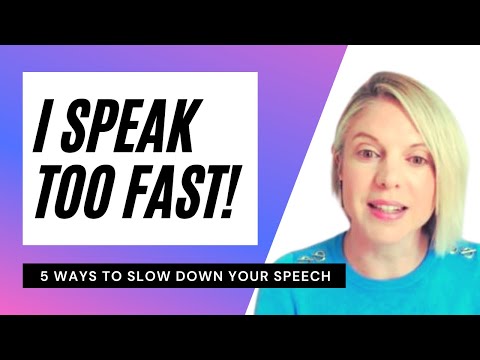
ความเร็วในการพูดSpeaking pace 130-160 wpm

เสียงพูดสนทนาปกติ ~150 คำ/นาที ช้ากว่า 110 = น่าเบื่อ/อืดอาด, เร็วกว่า 175 = ตามไม่ทันConversational speech is ~150 wpm. Below ~110 feels sluggish; above ~175 is hard to follow

National Center for Voice and Speech (as cited in VirtualSpeech, n.d.)
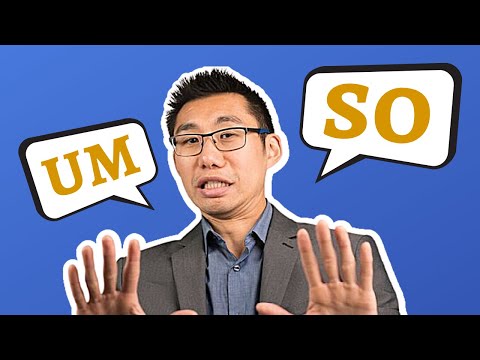
คำเติม (เอ่อ/อืม/um)Filler words ≤ 1 ต่อนาที≤ 1 per min

นักพูดระดับต้น ๆ ใช้คำเติม ≤ 1 ครั้ง/นาที คนทั่วไปเฉลี่ย ~5 ครั้ง/นาที แทนคำเติมด้วยการหยุดเงียบสั้น ๆTop speakers use ≤1 filler/min; the average person ~5/min. Replace fillers with a short silent pause

Toastmasters International (n.d.); Brower (2025)
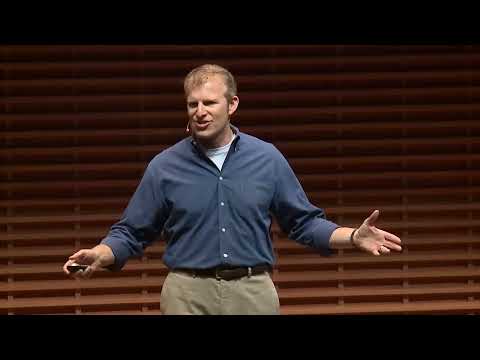
การขยับมืออย่างเป็นธรรมชาติNatural gestures ~15-26 ครั้ง/นาที~15-26 /min

งานวิเคราะห์ TED talks: นักพูดยอดนิยมใช้ท่าทาง ~26 ครั้ง/นาที, นิยมน้อยสุด ~15 ครั้ง/นาที ขยับน้อย=แข็งทื่อ, ขยับตลอด=กระวนกระวายTED analysis: most-watched speakers gesture ~26×/min, least-watched ~15×/min too few = stiff, constant = fidgety

Van Edwards (n.d.)
กรอบท่าทาง (Strike zone)Gesture “strike zone” ไหล่ ↔ เอวShoulders ↔ waist

เก็บท่าทางไว้ในกรอบระหว่างไหล่ถึงเอว = ดูมั่นใจ มืออยู่สูงเหนือไหล่ตลอด = ดูก้าวร้าว/เก้งก้างKeep gestures between shoulders and waist = confident; hands held above the shoulders = aggressive/awkward

Gallo (2014); Van Edwards (n.d.)
ท่าทาง / การยืนนำเสนอPosture / standing ตรง • ระดับ • นิ่งUpright • level • steady

เมื่อเปิดกล้องแบบเห็นเต็มตัว ระบบจะวัดการยืน: หลังตรง ไหล่ได้ระดับ (ไม่เอียง) เปิดลำตัวเข้าหาผู้ฟัง และยืนมั่นคงไม่โยกตัว ท่าทางที่มั่นคงเพิ่มความน่าเชื่อถือทันทีWith your full body in frame, we measure your stance: upright spine, level (untilted) shoulders, body open toward the audience, and a planted, non-swaying posture a grounded stance reads as instantly credible

Cuddy (2012); Gallo (2014)
การเว้นจังหวะ / การหยุดPauses หยุดเน้น 1-2 วิ1-2s for emphasis

การหยุดสั้น ๆ เพื่อเน้นเป็นเรื่องดี แต่เงียบนานเกิน ~3-4 วินาที = dead air (ลืมบท/เสียจังหวะ)Short pauses for emphasis are great, but silence beyond ~3-4s reads as dead air (lost your place)

Toastmasters public-speaking coaching literature
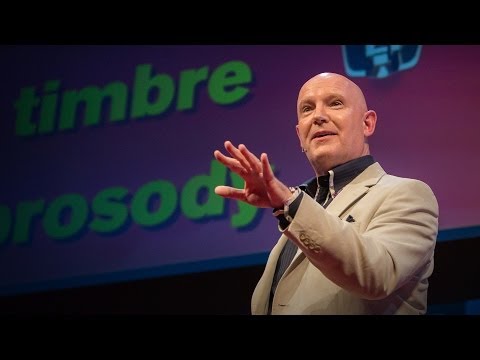
ระดับเสียงVolume ดังชัด สม่ำเสมอAudible & steady

ดังพอให้คนหลังห้องได้ยิน และคุมระดับให้สม่ำเสมอ ไม่เบาหายหรือดังกระชากLoud enough for the back row, kept steady not trailing off or spiking

Toastmasters vocal projection
คะแนนรวมคิดยังไงHow the overall score works

30%ความเร็วการพูดPace
+
25%คำเติมFillers
+
20%ท่าทางมือHand gestures
+
25%ท่าทาง / การยืนPosture / standing

คะแนนจะคิดเฉพาะ “มิติที่ตรวจจับได้จริง” เท่านั้น เช่น ถ้าไม่เปิดกล้องก็จะไม่นำท่าทาง/การยืนมาคิด และจะไม่เดาค่าให้ นอกจากนี้ระหว่างฝึก ระบบยังวัดแบบเรียลไทม์อีกหลายมิติที่หักคะแนนความมั่นใจสด เช่น การหยุดนานเกินไป (dead air ทั้งเซสชัน) การยกมือสูงหลุดกรอบ และการยืนเอียง/โยกตัว เพื่อให้คุณเห็นจุดที่ต้องแก้ทันทีOnly dimensions we actually detect are scored e.g. with the camera off, posture/standing simply isn’t counted (never guessed). During practice we also track real-time signals that lower your live confidence session-wide dead-air pauses, hands out of the strike zone, and a tilted/swaying stance so you see what to fix instantly

เคล็ดลับนำไปใช้ได้ทันทีTips you can use right now

  • หายใจแล้วหยุด เปลี่ยน “เอ่อ/อืม” เป็นการหยุดเงียบ 1 วินาที ฟังดูมั่นใจขึ้นทันทีBreathe and pause swap “uh/um” for a 1-second silent beat; you’ll sound instantly more confident
  • มืออยู่ในกรอบ ขยับมือช่วงไหล่ถึงเอว ใช้ท่าทางเน้นคำสำคัญ ไม่ใช่ขยับตลอดเวลาStay in the box gesture between shoulders and waist, emphasising key words, not moving constantly
  • ซ้อมจับเวลา ตั้งเป้า 130-160 wpm แล้วซ้อมอ่านออกเสียงพร้อมจับเวลาเพื่อหาจังหวะของตัวเองPractice with a timer aim for 130-160 wpm; read aloud against a clock to find your rhythm
  • มองกล้อง = สบตา มองเลนส์กล้องเหมือนมองตาผู้ฟัง อย่าก้มอ่านสคริปต์ตลอดLook at the lens treat the camera as your audience’s eyes; don’t bury your face in notes

วิดีโอสำหรับฝึกจากผู้เชี่ยวชาญPractice videos from the experts

คลิปที่คัดมาให้ตรงกับแต่ละเกณฑ์ กดเพื่อดูบน YouTube (ทุกคลิปตรวจสอบแล้วว่ามีอยู่จริงจากช่องที่น่าเชื่อถือ)Hand-picked clips matched to each criterion tap to watch on YouTube (every link is verified real, from a credible channel)

แหล่งอ้างอิงSources

จัดรูปแบบตามหลัก APA (ฉบับพิมพ์ครั้งที่ 7) เรียงตามชื่อผู้แต่ง/หน่วยงานFormatted per APA (7th edition), ordered alphabetically by author/organization

  1. Bazarevsky, V., Grishchenko, I., Raveendran, K., Zhu, T., Zhang, F., & Grundmann, M. (2020). BlazePose: On-device real-time body pose tracking (arXiv:2006.10204). arXiv. https://arxiv.org/abs/2006.10204
  2. Brower, T. (2025, November 16). New research reveals how to communicate with clarity and confidence. Forbes. forbes.com
  3. Cloudflare, Inc. (n.d.). Workers AI documentation. Cloudflare Developer Docs. Retrieved July 2026, from developers.cloudflare.com/workers-ai
  4. Cuddy, A. (2012, June). Your body language may shape who you are [Video]. TEDGlobal. ted.com
  5. Gallo, C. (2014). Talk like TED: The 9 public-speaking secrets of the world's top minds. St. Martin's Press.
  6. Google. (n.d.). MediaPipe Solutions guide. Google AI for Developers. Retrieved July 2026, from ai.google.dev/edge/mediapipe
  7. Mozilla Developer Network. (n.d.). Web Speech API. MDN Web Docs. Retrieved July 2026, from developer.mozilla.org
  8. Toastmasters International. (n.d.). Ah-Counter. Club Meeting Roles. Retrieved July 2026, from toastmasters.org
  9. Van Edwards, V. (n.d.). We watched 760 volunteers decode TED: The 6 body-language tricks that skyrocket views. Science of People. Retrieved July 2026, from scienceofpeople.com
  10. VirtualSpeech. (n.d.). Average speaking rate and words per minute (data attributed to the National Center for Voice and Speech). Retrieved July 2026, from virtualspeech.com
  11. แบบเรียนหลักภาษาไทย (อักษรเจริญทัศน์). หลักการพูดนำเสนอ: การเตรียมตัวก่อนพูด การใช้น้ำเสียงและอวัจนภาษาขณะพูด และข้อควรระวังด้านการใช้ภาษา.Thai language-arts curriculum (Aksorn Charoentat). Principles of presentation speaking: preparation before speaking, vocal & non-verbal delivery, and appropriate-language guidance.

เกณฑ์เหล่านี้เป็น “แนวทาง” ที่อิงค่าเฉลี่ยจากงานวิจัย ไม่ใช่กฎตายตัว สถานการณ์ต่างกัน (ห้องเรียน/สอบ/เวที) อาจปรับให้เหมาะสมได้These are research-based guidelines, not rigid rules different contexts (classroom, defense, stage) may call for adjustments